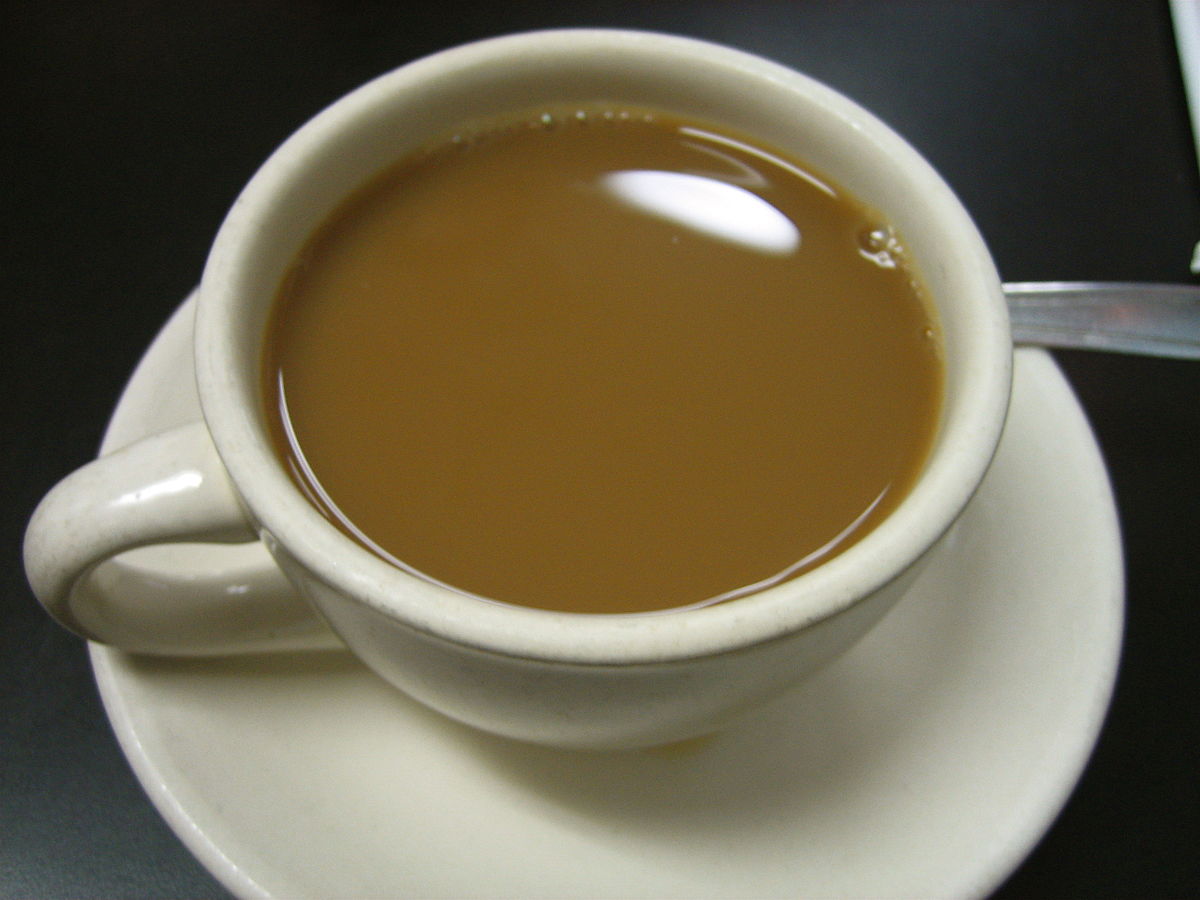
Espresso is the basis for most of the coffee and milk based drinks on the menu. The product expenses are around 15 cents to make a shot of espresso, and about 35-40 cents to make a mocha, latte or cappuccino? Obviously, devices, staffing and location include a lot to the cost, however the low consumable expenses vs. high retail prices are among the primary reasons many coffee shops are emerging in towns throughout America.
Follow the link for the full article cool facts about espresso.
This guide presents the practical info required for you to select the best espresso equipment for your home, office, or business. Without a solid understanding of the different espresso makers, the choice process might be confusing and rather frustrating merely due to the reality there are a lot of models to pick from. This guide is not really brief, but investing the time to read it will considerably improve your buying experience.
Espresso is merely another method by which coffee is brewed. There are various ways of developing coffee that consist of using a range top coffee maker, percolator, French press (or coffee press), vacuum pot and others. Espresso is brewed in its own special way.
Espresso is a beverage that is produced by pressing hot water, between 192F and 204F, at high pressures, through a bed of finely ground, compacted coffee. The shot is brewed for approximately 25 to 30 seconds, and the very same time uses to both a double or single shot (double baskets are larger, with more screen location, and the coffee streams quicker - single baskets restrict the flow more, leading to 1.5 ounces in 25-30 seconds).
An espresso device brews coffee pushing pressurized water around boiling point through a "compacted disk" of ground coffee and a filter basket in order to create a thick, concentrated coffee called espresso. The first piece of equipment for brewing espresso was built and patented in 1884 by Angelo Moriondo of Turin, Italy. Check this Twitter Moments collection for an in-depth introduction to the espresso machine.
⚡️ “How to Choose an Espresso Machine” by @coffeeblogger1 https://t.co/sTC6SIx6Yw
— Coffee Lover (@coffeeblogger1) February 28, 2021
Crema is one of the visual signs of a quality shot of espresso. In Italy, where most true espresso is purchased in a cafe, it is traditional to raise cup and dish, smell the shot, and drink it in 3 or 4 rapid gulps.
Espresso is confusing because usually, it isn't ready properly. Real espresso, brewed with a pump or piston driven espresso machine is really requiring on the bad coffee bean grinds. However prior to we enter into the relative 'abuse' that ground coffee is executed to produce an exceptional espresso, let us take a step back and talk about a bit more the misconceptions about the drink.
Espresso is not a kind of bean: This is a common mistaken belief, and inaccurate marketing by coffee chains, supermarket, and even word of mouth give the impression that espresso is a kind of bean. Any coffee bean can be utilized for espresso, from the most typical Brazils to the most exotic Konas and Ethiopian Harar coffees.
Espresso is not a kind of coffee beans blend: This one is likewise a typical mistaken belief, however with some reality to the claim because there specify blends designed for espresso. The issue is, lots of people believe there is only one type of blend that is fit for espresso. Many high quality micro roasters would disagree with this - Roaster Craftsmen the world over work diligently by themselves variation of "the perfect espresso blend".
Espresso is not a Roast Type: Another popular misunderstanding is that espresso can just be roasted one way (and typically the idea is that espresso needs to be extremely dark and shining with oils). This is not the case. In fact, the Northern Italian method of roasting for espresso is producing a medium roast, or more typically called a "Full City" roast if you like on the west coast of the U.S.A.. In California, the normal "espresso roast" is a dark, or "French" roast, and in parts of the eastern United States, an extremely light or "cinnamon" roast style is preferred. The bottom line here is this: you can make great espresso from almost any roast type; the choice is purely approximately your own taste.
Espresso is the basis for many of the coffee and milk based drinks on the menu. Espresso is a drink that is produced by pushing hot water, between 192F and 204F, at high pressures, through a bed of carefully ground, compacted coffee. Real espresso, brewed with a pump or piston driven espresso maker is extremely requiring on the poor coffee bean grinds. Espresso is not a type of blend: This one is also a typical misconception, however with some reality to the claim in that there are particular blends developed for espresso. Espresso is not a Roast Type: Another popular misunderstanding is that espresso can just be roasted one method (and generally the thought is that espresso must be super dark and glowing with oils).
The full tutorial, and more espresso brewing articles at Coffee-Brewing-Methods.com